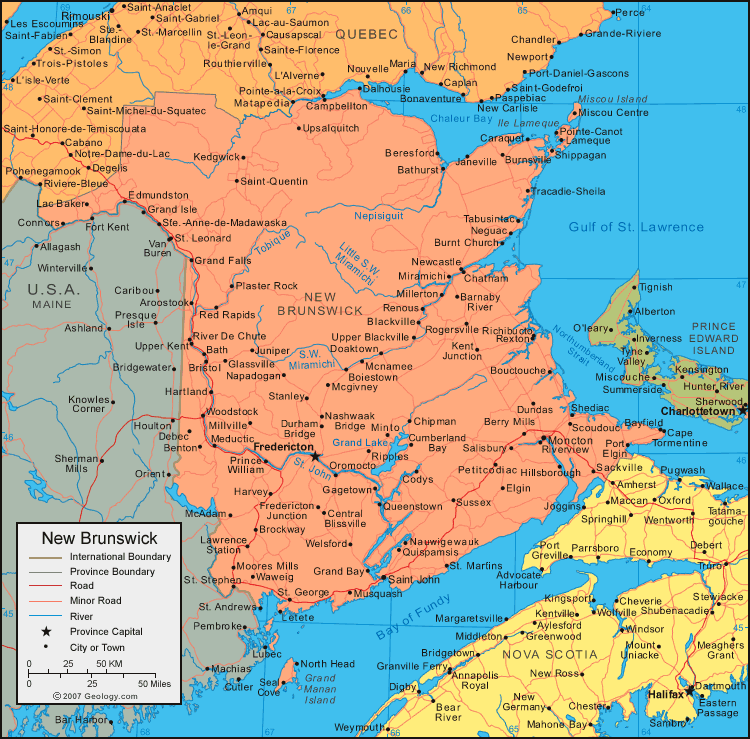
New Brunswick is one of Canada’s most captivating provinces — a place where powerful tides, deep forests, historic towns, and bilingual culture blend into something truly unique. Located on Canada’s east coast, it borders the province of Quebec to the north, Nova Scotia to the southeast, and the U.S. state of Maine to the west. With coastline along the Bay of Fundy and the Gulf of St. Lawrence, New Brunswick offers dramatic natural beauty, rich history, and warm Maritime hospitality.
A Brief History of New Brunswick
Long before European settlers arrived, New Brunswick was home to the Mi’kmaq and Wolastoqiyik (Maliseet) peoples. These Indigenous communities lived along rivers and coastal areas for thousands of years, relying on fishing, hunting, and trade. The Wolastoqiyik people, in particular, lived along the Wolastoq (Saint John River), which remains one of the province’s most important waterways.
French explorers arrived in the early 1600s, and the region became part of Acadia, a French colony that included parts of present-day New Brunswick, Nova Scotia, and Prince Edward Island. The Acadian people developed a thriving agricultural society, building dykes to reclaim marshlands and creating close-knit communities along the coast.
In 1755, during the conflict between Britain and France, the British began the Expulsion of the Acadians. Thousands were deported from their homes in a tragic chapter of Atlantic Canadian history. Many eventually returned, and today Acadian culture remains a proud and vibrant part of New Brunswick’s identity.
After the American Revolution, Loyalists — colonists loyal to Britain — fled north and settled along the Saint John River and other parts of the region. In 1784, New Brunswick officially became its own colony, separate from Nova Scotia. The influx of Loyalists shaped the province’s political structure, culture, and economy.
New Brunswick later became one of the four founding provinces of Canada in 1867, joining Ontario, Quebec, and Nova Scotia in Confederation. Today, it stands out as Canada’s only officially bilingual province, recognizing both English and French as official languages.
A Land Shaped by Water
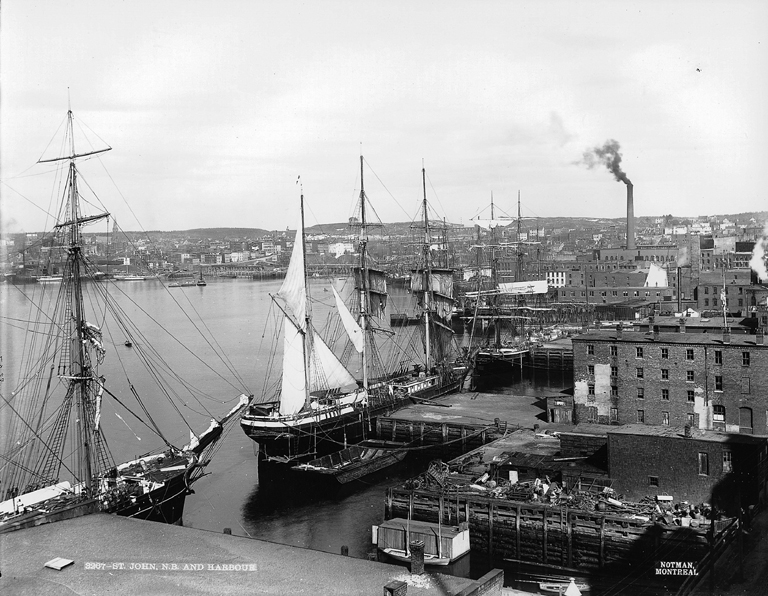
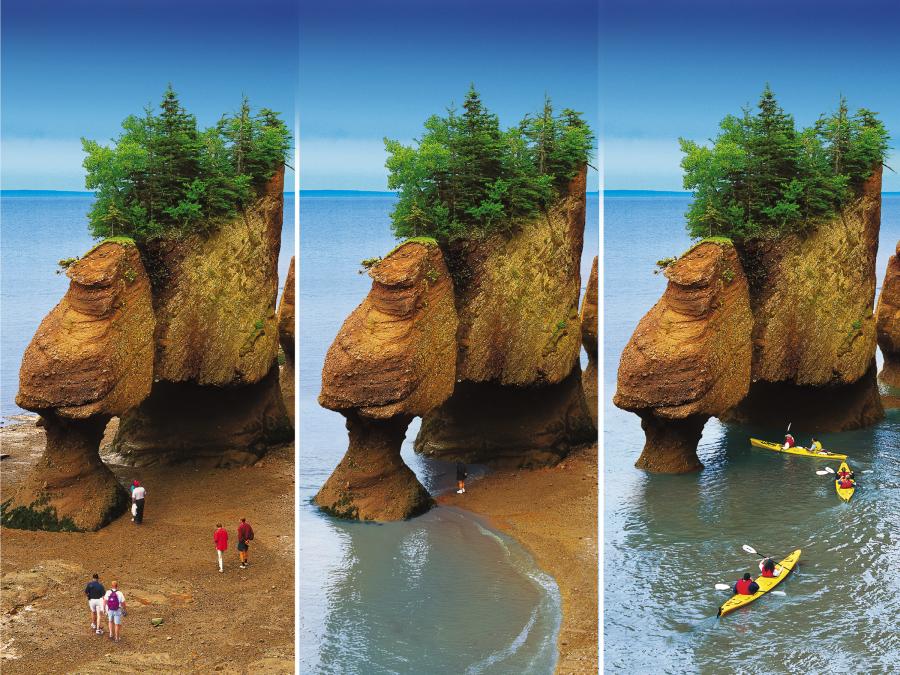
Water defines New Brunswick in nearly every direction. The Bay of Fundy, which separates the province from Nova Scotia, is home to the highest tides in the world. In places like the iconic Hopewell Rocks, visitors can walk on the ocean floor at low tide and then kayak around the same towering rock formations just hours later when the tide rises dramatically.
The Bay of Fundy’s powerful tides have also carved out stunning coastal features. Fundy National Park showcases rugged cliffs, waterfalls, dense forests, and scenic coastal trails. It’s a haven for hikers, campers, and nature lovers seeking fresh air and breathtaking views.
To the north and east, the warm waters of the Gulf of St. Lawrence create sandy beaches and seaside communities. The Kouchibouguac National Park is known for its dunes, salt marshes, and lagoons. It’s also a stronghold of Acadian heritage and offers some of the province’s best stargazing due to its dark skies.
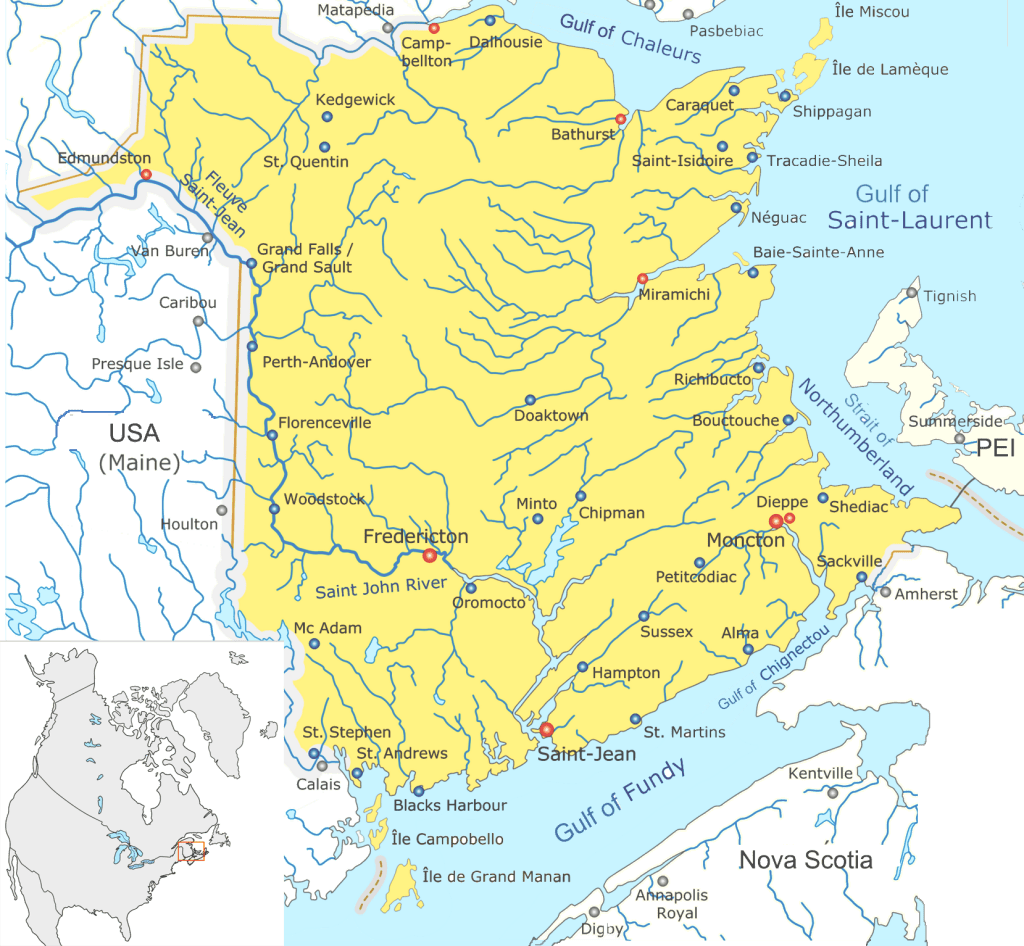
The Saint John River — or Wolastoq — flows through the heart of the province, stretching over 600 kilometres. It supports agriculture, recreation, and historic towns along its banks. In the city of Saint John, the river meets the Bay of Fundy in a rare natural phenomenon known as the Reversing Falls, where tidal forces push the river upstream during high tide.
Cities and Communities
While much of New Brunswick is rural and forested, its cities each have distinct character and charm.
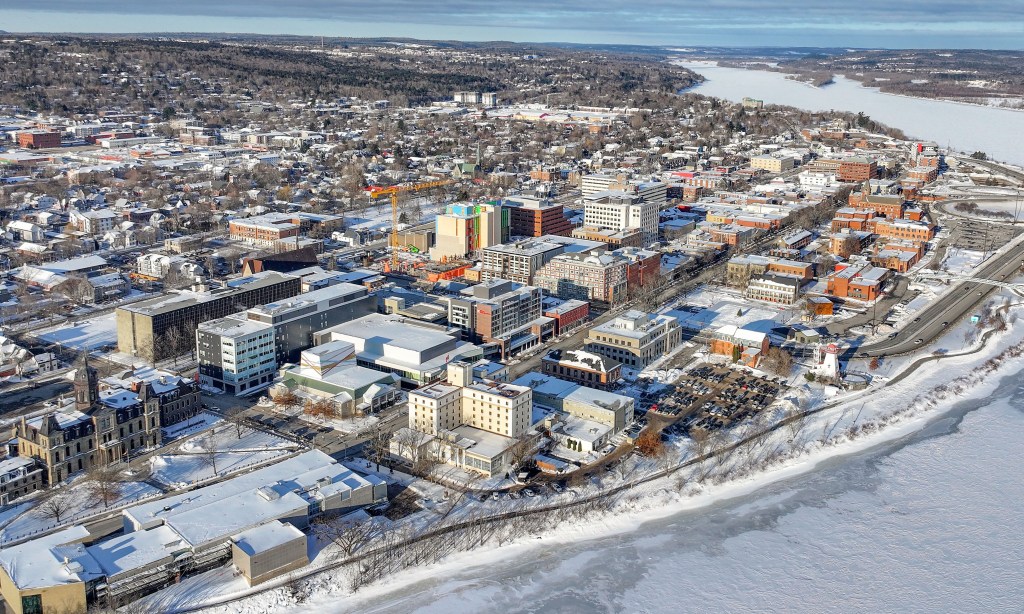
Fredericton, the provincial capital, sits along the Saint John River. Known for its tree-lined streets and vibrant arts scene, Fredericton is home to historic buildings, galleries, and festivals. The city has a youthful energy thanks to its universities and is often praised for its quality of life.
Moncton is one of the fastest-growing cities in Atlantic Canada. It serves as a commercial hub and is famous for Magnetic Hill, where cars appear to roll uphill due to an optical illusion. Moncton’s bilingual culture is especially visible here, with French and English heard equally in daily life.
Saint John, Canada’s oldest incorporated city, has a deep maritime history. Its historic uptown core features 19th-century brick buildings, narrow streets, and a working harbour that has long been central to the province’s economy.
Beyond the cities, small towns and fishing villages dot the coastline. Places like St. Andrews by-the-Sea offer charming waterfront views, whale-watching tours, and heritage architecture that transports visitors back in time.
Forests, Wildlife, and Outdoor Adventure
Nearly 85% of New Brunswick is forested, making it one of the most heavily wooded provinces in Canada. Forestry has historically been a key industry, supplying timber for shipbuilding and export. Today, the forests provide endless opportunities for outdoor recreation — hiking, snowmobiling, canoeing, and camping are part of everyday life for many residents.
Wildlife is abundant. Moose, black bears, deer, and bald eagles roam the forests and wetlands. The Bay of Fundy is one of the best whale-watching destinations in the world, with humpback, finback, and even rare North Atlantic right whales visiting its nutrient-rich waters.
In autumn, the province becomes a canvas of red, orange, and gold as maple and birch trees change colour. Fall drives through rural highways can feel like travelling through a painting.
Winter transforms New Brunswick into a snowy playground. Ski hills, cross-country trails, and frozen rivers provide activities for those who embrace the colder months. The changing seasons are deeply felt here, and each brings its own beauty.
Culture and Identity
New Brunswick’s identity is shaped by its blend of Indigenous, Acadian, Loyalist, and immigrant influences. It is the only province in Canada that is officially bilingual, a status enshrined in the Canadian Constitution. Road signs, government services, and schools operate in both French and English.
Acadian culture is especially strong in the northern and eastern regions. Festivals, music, and cuisine celebrate French heritage with pride. Traditional foods like poutine râpée and fricot reflect generations of culinary tradition.
Music and storytelling are central to life in New Brunswick. From fiddle tunes to folk festivals, the province embraces its Maritime roots. Community gatherings, kitchen parties, and local markets reinforce the strong sense of belonging that residents often describe.
Interesting Facts About New Brunswick
New Brunswick is home to some truly fascinating features and stories:
The Bay of Fundy tides can rise as high as 16 metres (over 50 feet).
The province has more than 2,500 lakes and thousands of kilometres of rivers.
Grand Manan Island is considered one of the top bird-watching locations in North America.
The Acadian flag — blue, white, and red with a gold star — proudly represents the French-speaking population.
Covered bridges, including the famous Hartland Covered Bridge, add a nostalgic charm to rural areas. The Hartland bridge is the longest covered bridge in the world.
The province’s small population — just over 800,000 people — contributes to its strong sense of community. Neighbours know each other, and visitors often remark on the friendliness of locals.
A Province of Quiet Beauty
Unlike some destinations that rely on large crowds and big-city energy, New Brunswick’s appeal lies in its authenticity. It offers space — space to breathe, to explore, and to slow down. You can walk along an empty beach, paddle down a peaceful river, or stand atop a cliff overlooking the Bay of Fundy with nothing but wind and waves around you.
It is a province where history is visible in old churches, lighthouses, and brick storefronts. It is a place where two languages coexist naturally. It is where forests stretch for miles and tides reshape the coastline twice a day.
New Brunswick may not always grab headlines, but those who visit often leave with a deep appreciation for its natural wonders and cultural richness. From its Indigenous roots to its Acadian resilience, from Loyalist settlements to modern bilingual communities, the province tells a story of adaptation, endurance, and pride.
 Exploring The Small Towns of Canada
Leave a comment