1. Old Quebec, Quebec
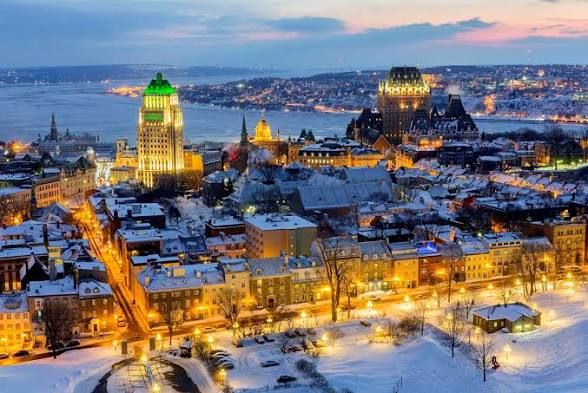
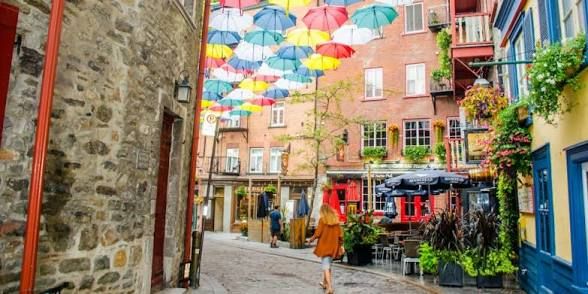
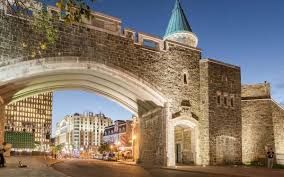
Few places in North America feel as authentically historic as Old Quebec. Walking its narrow cobblestone streets feels like stepping straight into 17th-century Europe. This UNESCO World Heritage Site is the only fortified city north of Mexico, with walls still standing strong around its historic core.
Founded by the French in 1608 under Samuel de Champlain, Old Quebec became the heart of New France. Over the centuries, it changed hands between the French and British, leaving behind a unique blend of cultures that still defines the city today.
Interesting fact: The iconic Château Frontenac is one of the most photographed hotels in the world—and it sits on the site of an old fort!
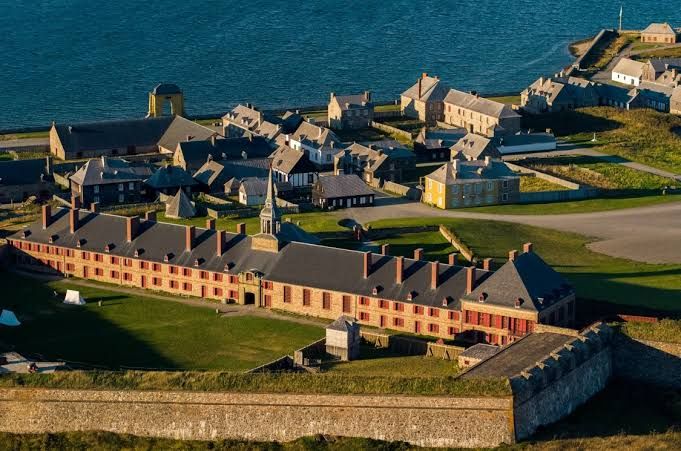
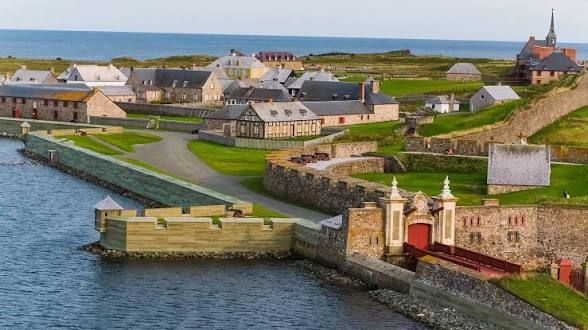
2. Fortress of Louisbourg, Cape Breton, Nova Scotia
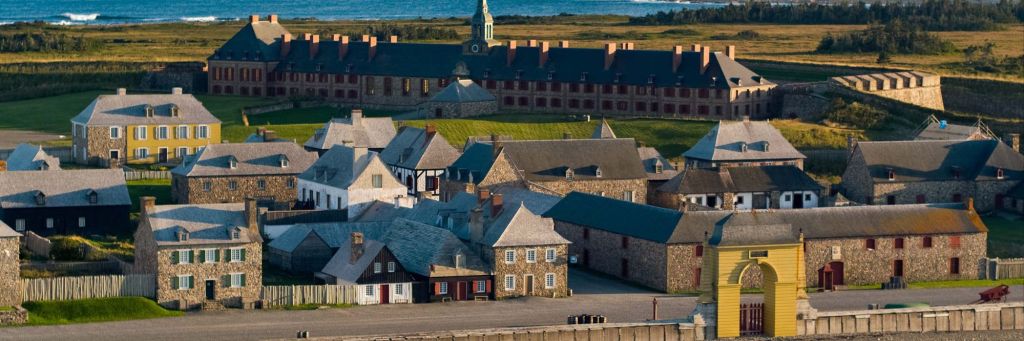
The Fortress of Louisbourg is one of the largest reconstructed 18th-century French fortified towns in the world. Visiting feels like time travel—complete with costumed interpreters, working kitchens, and even musket demonstrations.
Originally built by the French in the early 1700s, Louisbourg was a key stronghold guarding access to the Gulf of St. Lawrence. It played a major role in the struggle between Britain and France, eventually falling to the British during the Siege of Louisbourg.
Interesting fact: Only about one-quarter of the original town has been reconstructed—but it’s still massive and incredibly detailed.
3. L’Anse aux Meadows, Newfoundland
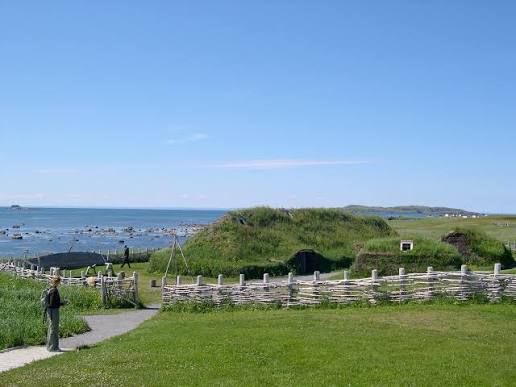
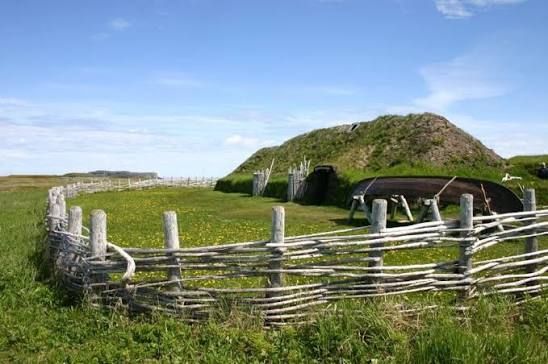
At the northern tip of Newfoundland lies L’Anse aux Meadows National Historic Site, the only confirmed Viking settlement in North America. This windswept site offers a rare glimpse into Norse exploration nearly 1,000 years ago.
Believed to have been established around the year 1000 by explorers like Leif Erikson, the settlement predates Christopher Columbus by almost five centuries. Archaeologists uncovered the remains of sod buildings and iron-working tools, proving Vikings reached North America long before other Europeans.
Interesting fact: It’s the earliest known European settlement in the Americas—and a UNESCO World Heritage Site.
4. Parliament Hill & Rideau Canal, Ottawa
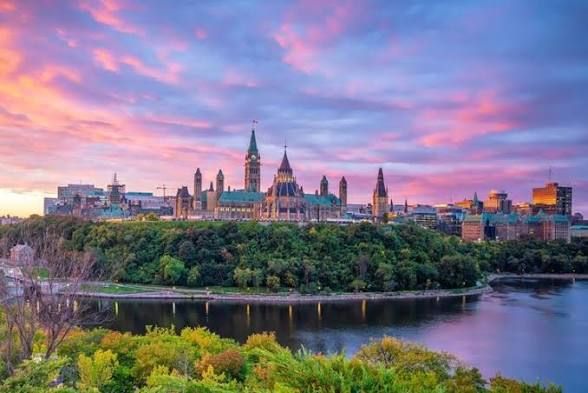
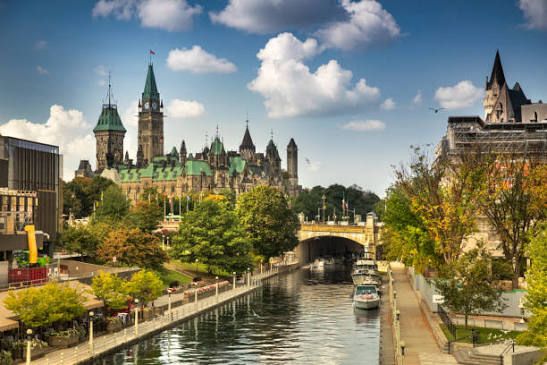
Canada’s capital is packed with history, and no visit is complete without Parliament Hill and the Rideau Canal. Parliament Hill is home to Canada’s federal government, with stunning Gothic Revival architecture overlooking the Ottawa River.
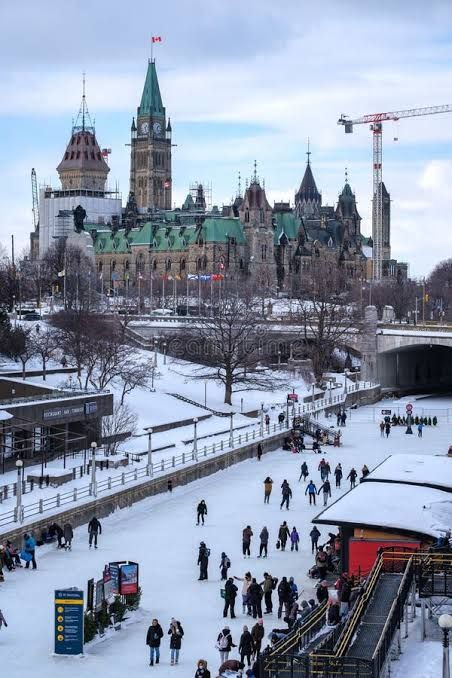
Construction began in the 1850s, and the site has witnessed defining moments in Canadian history, from Confederation to modern-day politics. Just below it, the Rideau Canal was originally built for military defense following the War of 1812, connecting Ottawa to Kingston.
Interesting fact: In winter, the Rideau Canal becomes the world’s largest skating rink—stretching nearly 8 kilometers!
5. Pier 21, Halifax, Nova Scotia
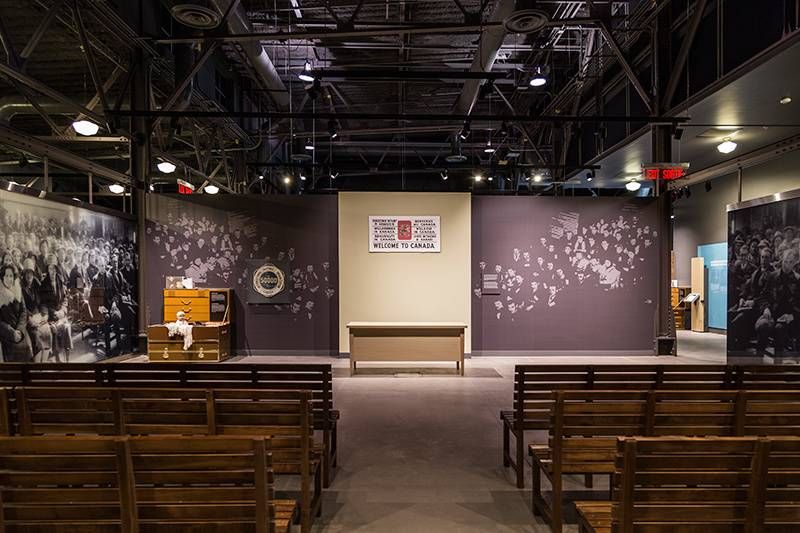
Often called “Canada’s Ellis Island,” Pier 21 is where over one million immigrants arrived between 1928 and 1971, helping shape modern Canada.
Today, it serves as the Canadian Museum of Immigration, telling powerful stories of hope, hardship, and new beginnings. From war brides after World War II to refugees seeking safety, Pier 21 stands as a symbol of Canada’s multicultural identity.
Interesting fact: Nearly 1 in 5 Canadians can trace their family history back to an arrival through Pier 21


 Exploring The Small Towns of Canada
Leave a comment