For generations, residents and historians have whispered about the possibility of secret tunnels hidden beneath the historic streets of Halifax, Nova Scotia. Some claim these underground passages once connected military fortifications, government buildings, and the Halifax waterfront. Others believe they were escape routes designed during wartime. Over the years, construction crews, engineers, and archaeologists have indeed uncovered several underground tunnels beneath the city, fueling speculation that Halifax may have once had a hidden subterranean network. While many of these discoveries have practical explanations, the mystery surrounding Halifax’s tunnels continues to intrigue historians and locals alike.
Halifax: A Military City Built for Defense
To understand why Halifax might have underground tunnels, it helps to understand the city’s strategic importance. Founded by the British in 1749, Halifax quickly became one of the most important naval and military bases in North America. The city sits on one of the world’s largest natural harbours, making it a vital location for shipping, trade, and military defense.
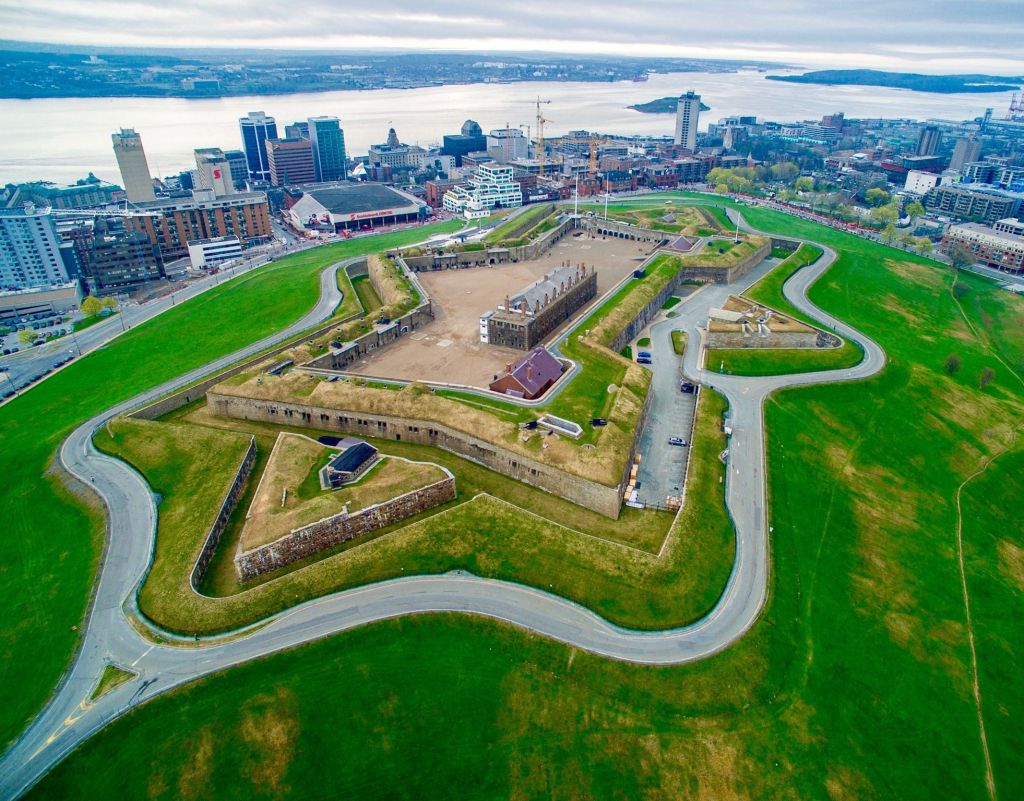
During the 18th and 19th centuries, Halifax was heavily fortified. The most famous of these fortifications is the Halifax Citadel, which stands atop Citadel Hill overlooking the harbour. The fortress was designed to protect the city from invasion and to maintain British control over the region. Because of its strategic importance, Halifax developed a complex network of military infrastructure including batteries, defensive positions, and underground passages.
Military engineers of the era were known for building hidden passageways within fortifications. These tunnels allowed soldiers to move unseen, transport ammunition, and sometimes escape if a fort was captured. In Halifax, the possibility of similar military tunnels has long fascinated historians.
Documented Underground Passages Beneath Downtown Halifax
Evidence suggests that tunnels do exist beneath parts of downtown Halifax. Over the past century, several underground passageways have been discovered during construction and restoration projects.
One of the earliest confirmed reports dates back to 1919 when a city engineer entered a tunnel near George Street. The passage reportedly ran toward the harbour and had a wooden floor, suggesting it was designed for people to walk through rather than serving as a simple drainage pipe.
More discoveries followed in the decades that followed:
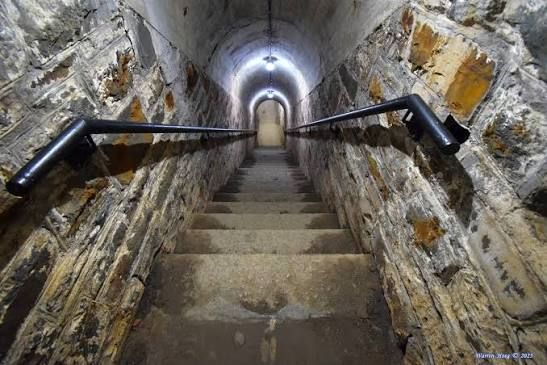
In 1938, a large stone tunnel was discovered under Duke Street measuring approximately 2.4 metres tall and 1.8 metres wide.
In 1958, construction workers uncovered another underground passage beneath Brunswick Street while excavating the area.
In 1976, Nova Scotia Power workers accidentally broke through a stone slab under Prince Street, revealing a hidden tunnel with alcoves carved into the walls.
Additional tunnels were discovered under Bedford Row in 1978, Sackville Street in 1995, and Argyle Street in 2017.
These discoveries confirm that multiple underground passageways exist beneath Halifax’s downtown core. Many of them appear to run between Citadel Hill and the waterfront, raising questions about whether they once played a role in military operations.
Tunnels Within Citadel Hill
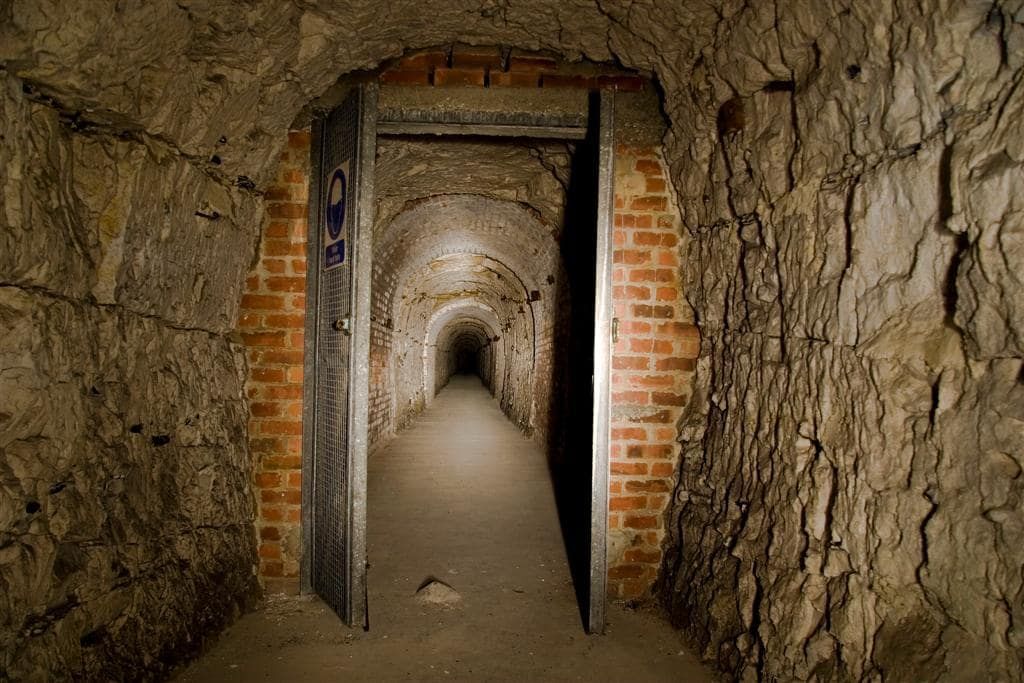
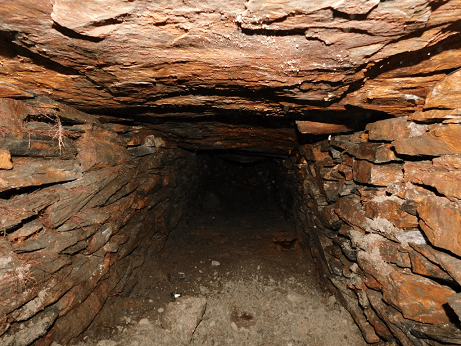
Inside Citadel Hill itself, archaeologists and historians have discovered several small underground tunnels. These are known as mine galleries, and they were built as part of the fortress’s defensive design.
These tunnels extend outward into the hillside from the interior of the fort. In the event of an enemy assault, soldiers could place explosives inside the galleries and detonate them to collapse the ground beneath attacking forces.
Although these tunnels are real, they are relatively short and do not extend far beyond the fort’s walls. Most historians agree they were built purely for defensive purposes and were never intended to connect to other parts of the city.
However, their existence proves that British military engineers in Halifax were comfortable with underground construction and may have built other passages elsewhere.
Military Theories: Escape Routes and Secret Logistics
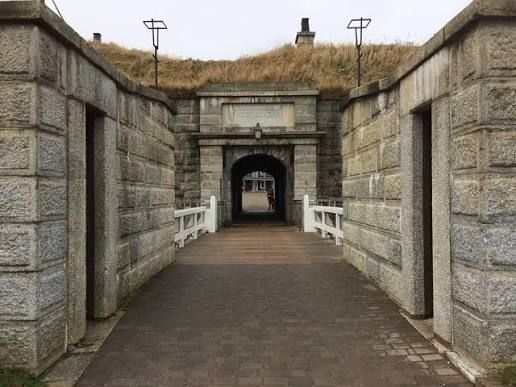
One popular theory suggests the tunnels were built by the British military as hidden escape routes. According to this idea, officers stationed at Citadel Hill could retreat through underground passages to the harbour if the fort was captured.
Another theory proposes that the tunnels were used for transporting messages and supplies between strategic locations in the city. Halifax was a major naval port during both World War I and World War II, and underground routes could have allowed soldiers to move quickly without being seen.
Some local historians also speculate that tunnels may have connected important buildings such as the legislature, military barracks, and harbour facilities.
However, proving these theories has proven difficult. Many tunnels uncovered in Halifax have never been fully explored because later construction destroyed or sealed their entrances.
The Famous Georges Island Tunnel Legend
Perhaps the most famous Halifax tunnel legend claims there is an underground passage beneath Halifax Harbour connecting Citadel Hill to Georges Island.
Georges Island sits in the middle of Halifax Harbour and was another key military fortification for the British. The idea of a secret tunnel between the two forts has been passed down through local stories for over a century.
In the 1990s, scientists attempted to investigate this theory using seismic reflection studies and other mapping techniques to scan the harbour floor. These studies mapped the underwater terrain in detail but found no evidence of a tunnel connecting the island to Citadel Hill. While this scientific evidence suggests the famous harbour tunnel likely never existed, the legend continues to captivate people.
Military Installations with Underground Structures
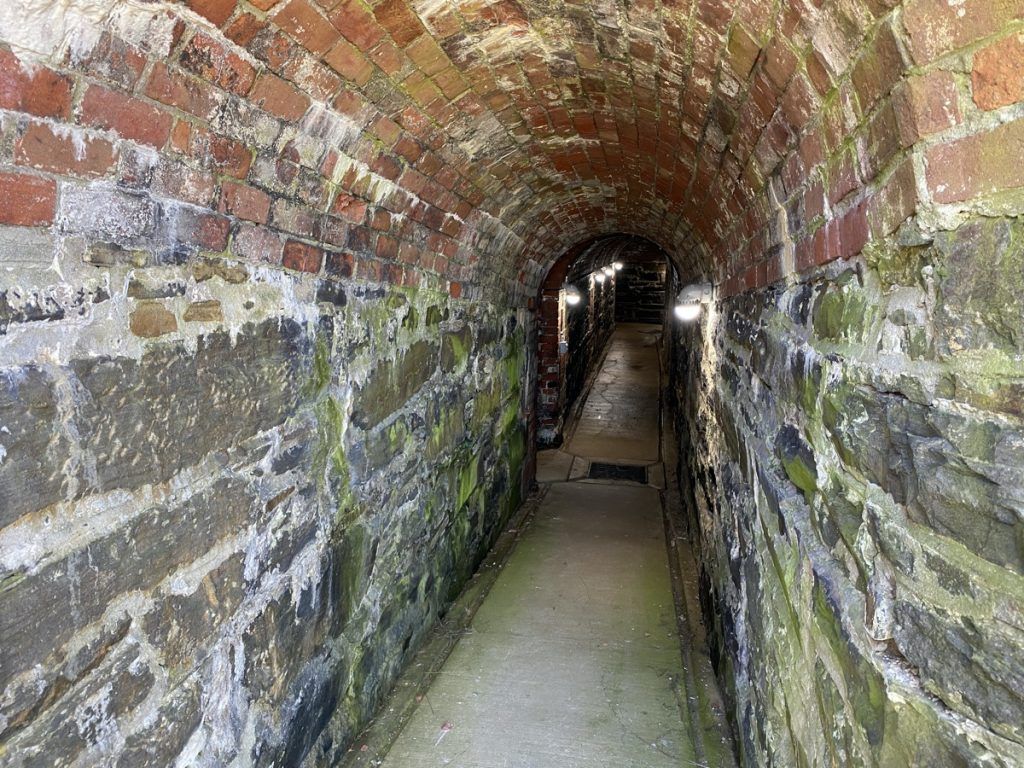
While the downtown tunnel network remains mysterious, Halifax does contain confirmed underground military structures in other locations.
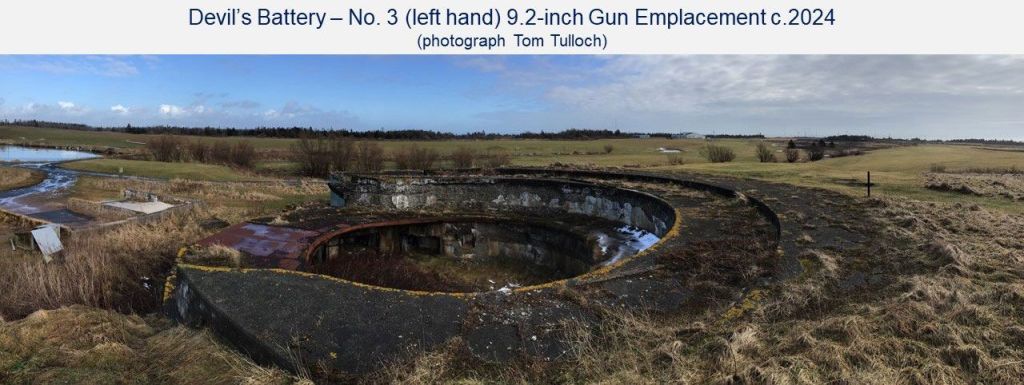
One example is Devils Battery at Hartlen Point near the entrance to Halifax Harbour. Built during the Second World War, the installation included underground bunkers and gun emplacements designed to protect the harbour from German naval attacks. These structures demonstrate that military engineers frequently built hidden underground facilities in the Halifax region.
Why the Mystery Persists
Despite scientific studies and historical research, the idea of secret tunnels beneath Halifax continues to persist. There are several reasons for this.
First, Halifax is an extremely old city with centuries of construction layered on top of earlier structures. Many buildings and streets were built over older foundations, meaning that underground features are sometimes discovered unexpectedly.
Second, several tunnels discovered in Halifax have never been fully mapped. Because modern construction projects often seal or destroy them, historians cannot always trace where they lead.
Finally, Halifax’s military past naturally lends itself to stories of secret infrastructure. Cities with major forts and naval bases often develop legends about hidden passages, espionage, and underground escape routes.
The Balance Between Myth and Reality
Today, historians generally agree on several key points. Halifax does have underground tunnels beneath parts of its downtown core. These tunnels have been uncovered multiple times during construction projects, and some date back to the 19th century.
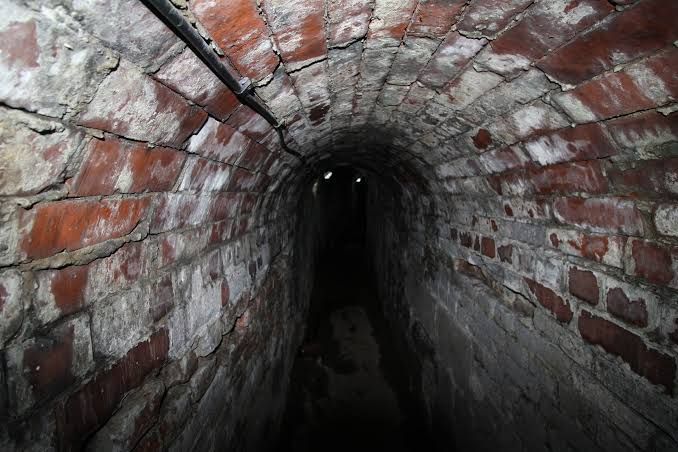
However, most researchers believe many of these passages were originally part of the city’s early sewer and drainage systems or service corridors used by nearby buildings. At the same time, the possibility that some tunnels were used for military purposes cannot be completely ruled out. Halifax’s long history as a fortified naval base means underground structures were almost certainly part of its defensive infrastructure.
A Hidden Layer Beneath the City
Whether they were built for defense, transportation, or infrastructure, Halifax’s underground tunnels represent a hidden layer of the city’s history. Beneath the modern streets lies a network of passages that have occasionally resurfaced during excavations, reminding residents that their city has many stories buried beneath it.
While scientists have debunked some of the more dramatic legends, such as a tunnel beneath Halifax Harbour, the existence of multiple underground passages shows that Halifax’s past is far more complex than what can be seen on the surface.
For historians, archaeologists, and curious locals, the idea that more tunnels may still lie undiscovered beneath Halifax keeps the mystery alive. Every time construction crews dig into the city’s historic core, there is always the possibility that another forgotten passage from the past will be revealed.
And until every underground corridor is fully explored, Halifax’s secret tunnels will remain one of the city’s most fascinating historical mysteries.
 Exploring The Small Towns of Canada
Leave a comment