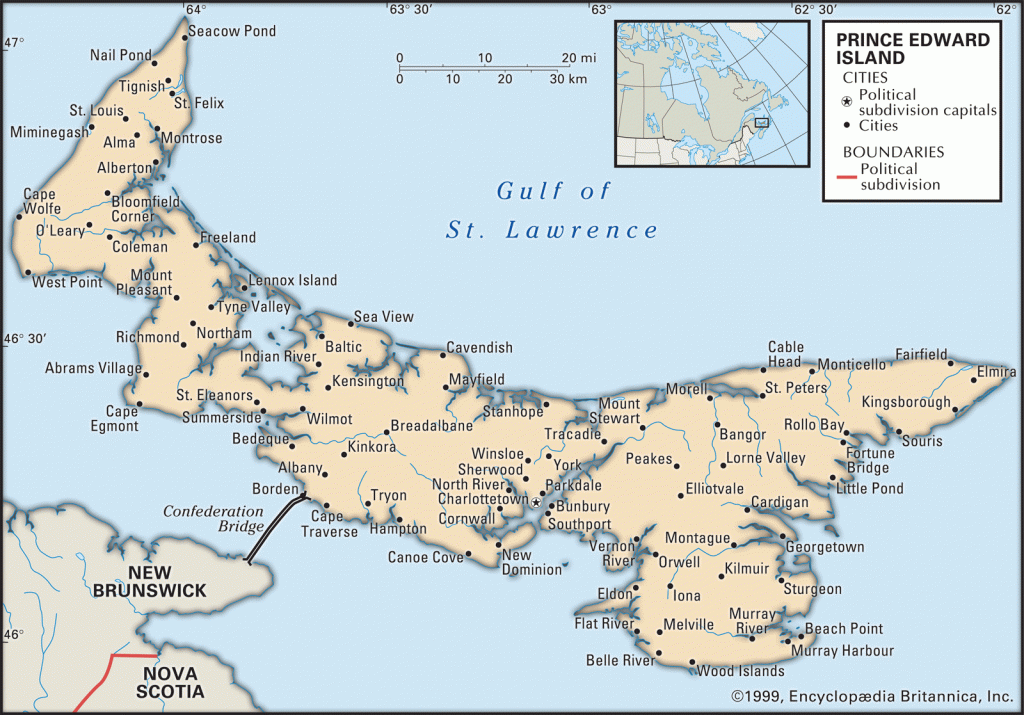
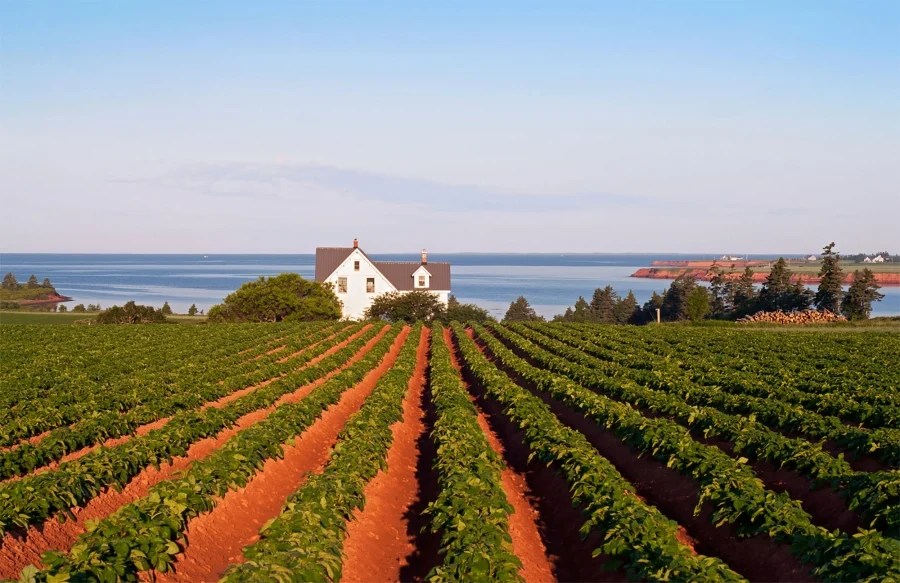
Prince Edward Island is Canada’s smallest province — but what it lacks in size, it makes up for in character, charm, and history. Known for its rolling farmland, red-sand beaches, fresh seafood, and storybook villages, PEI feels like a place where time slows down and the landscape does the talking. Often called the “Garden of the Gulf,” the island stretches about 224 kilometres from tip to tip and is never more than a short drive from the ocean. Its coastline curves around sandy dunes, dramatic red cliffs, and quiet fishing harbours. The island’s red soil, rich in iron oxide, gives the land its distinctive colour and has helped shape both its economy and its identity.
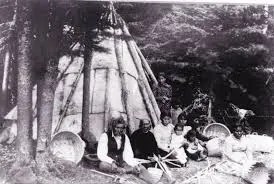
Early History: Abegweit – “Cradled on the Waves” Long before European explorers arrived, Prince Edward Island was home to the Mi’kmaq people. They called the island Abegweit, meaning “Cradled on the Waves.” The name perfectly describes the island’s geography — gently resting in the Gulf, surrounded by water on all sides. The Mi’kmaq lived in harmony with the land and sea, fishing its waters, harvesting shellfish, and traveling seasonally across their traditional territory. Their culture, language, and traditions remain an important part of the island’s story today, particularly in communities such as Lennox Island, where Mi’kmaq heritage continues to be preserved and celebrated.
From Île Saint-Jean to Prince Edward Island European settlement began in the early 1700s when the French claimed the island and named it Île Saint-Jean. It became part of Acadia, and French settlers — known as Acadians — established farming communities across the island. Following the British takeover in 1758 during the Seven Years’ War, many Acadians were deported, though some later returned. Under British rule, the island’s land was divided into large lots and granted to absentee landlords, creating decades of tension between landowners and tenant farmers. This “land question” would shape much of the island’s political development in the 18th and 19th centuries. In 1799, the colony was officially renamed Prince Edward Island in honour of Prince Edward, Duke of Kent and Strathearn, the father of Queen Victoria. The name distinguished it from other Saint John territories and marked a new chapter under British governance.
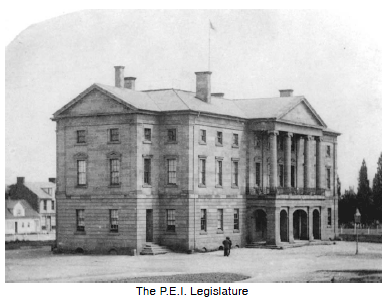
The Birthplace of Confederation Prince Edward Island holds a unique place in Canadian history. In 1864, representatives from several British North American colonies met in Charlottetown for what became known as the Charlottetown Conference. Although PEI initially declined to join Confederation, the meetings laid the groundwork for Canada’s formation. Nearly a decade later, in 1873, the island officially joined Canada as its seventh province. Financial struggles, including debt from building a railway, pushed PEI toward Confederation. Today, Charlottetown proudly carries the nickname “Birthplace of Confederation,” and its historic downtown reflects that legacy.
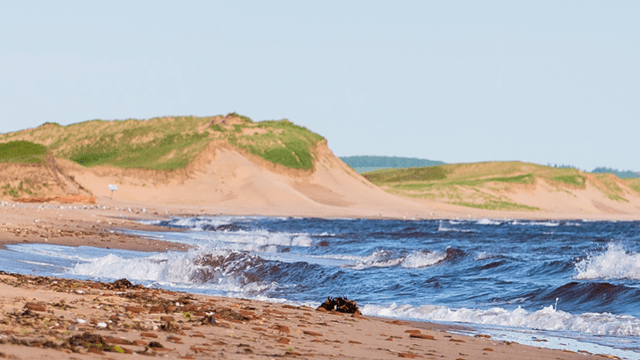
Landscape and Natural Beauty: One of PEI’s most defining features is its natural landscape. Gentle hills roll across the countryside, divided by patchwork fields of potatoes, grains, and pasture. White farmhouses dot the landscape, often backed by deep blue water in the distance. The island’s north shore is particularly famous for its beaches. Prince Edward Island National Park stretches along this coastline, protecting sand dunes, wetlands, and red sandstone cliffs. In the summer, the waters here are among the warmest north of the Carolinas, making them perfect for swimming and family vacations. To the south, the shoreline becomes more rugged and dotted with fishing villages. Harbours filled with colourful lobster boats tell the story of a community deeply connected to the sea.
Agriculture and Seafood: Agriculture has long been the back bone of Prince Edward Island’s economy. The fertile red soil makes it one of Canada’s most productive potato-growing regions. PEI potatoes are known nationwide for their quality, and farming remains central to rural life.But the sea is equally important. Lobster fishing is a cornerstone of the island’s culture and economy. Each spring, lobster season begins with boats heading out at dawn, hauling traps from the cold Atlantic waters. Mussels and oysters — especially the world-renowned Malpeque oysters — are also harvested here, contributing to the island’s reputation as a culinary destination.Visitors often come as much for the food as for the scenery, enjoying fresh seafood straight from the source.
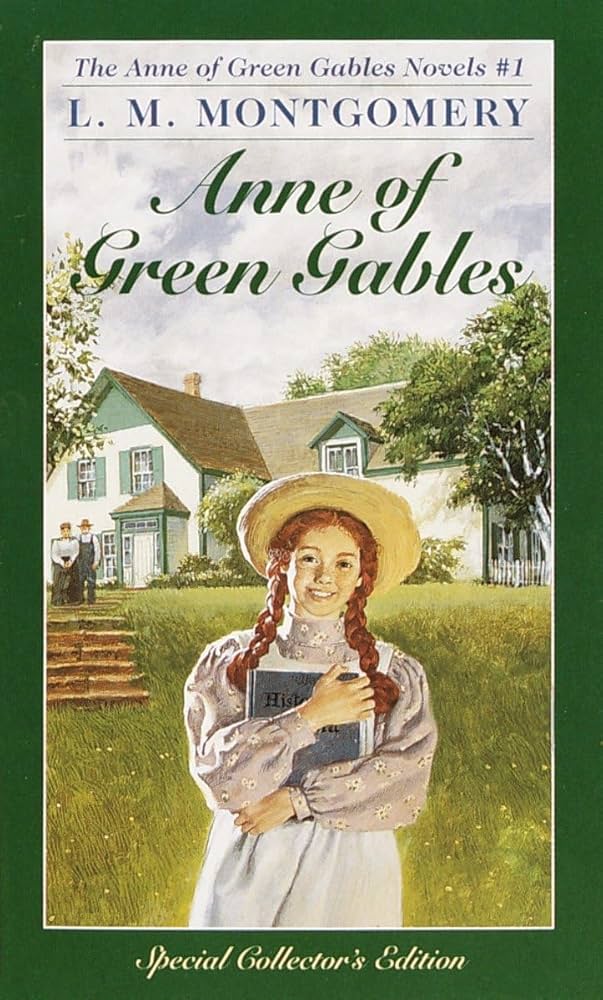
Literary Fame: Anne of Green Gables: Few places in Canada are as closely tied to a literary character as Prince Edward Island is to Anne Shirley. Author Lucy Maud Montgomery set her beloved 1908 novel Anne of Green Gables on the island, inspired by its pastoral beauty and quiet communities. The fictional setting of Avonlea was based on Cavendish, where Montgomery grew up. Today, Green Gables Heritage Place welcomes visitors from around the world who want to step into Anne’s world. The novel has introduced millions to the charm of Prince Edward Island and remains one of Canada’s most famous literary works.
Life on Island Time: What truly sets Prince Edward Island apart is its pace. Life moves a little slower here. Traffic jams are rare. Sunsets over the water are part of everyday life. Community events — from ceilidhs and farmers’ markets to summer festivals — bring neighbours together.The island is connected to mainland Canada by the Confederation Bridge, an engineering marvel that opened in 1997. Stretching nearly 13 kilometres across the Northumberland Strait, it symbolically and physically links PEI to the rest of the country while still preserving its island identity.Despite that connection, arriving in Prince Edward Island still feels like entering a different rhythm — one shaped by tides, seasons, and tradition.
A Small Province with a Big Heart: Prince Edward Island may be Canada’s smallest province in landmass and population, but its influence and appeal are far greater than its size suggests. From its Mi’kmaq roots to French and British settlement, from Confederation history to literary fame, the island carries layers of stories within its red soil and along its windswept shores. Whether you come for the beaches, the seafood, the history, or simply the peaceful atmosphere, Prince Edward Island offers something increasingly rare in today’s fast-paced world — authenticity. It is a place where land and sea shape identity, where communities remain close-knit, and where visitors often leave already planning their return.
 Exploring The Small Towns of Canada
Leave a comment