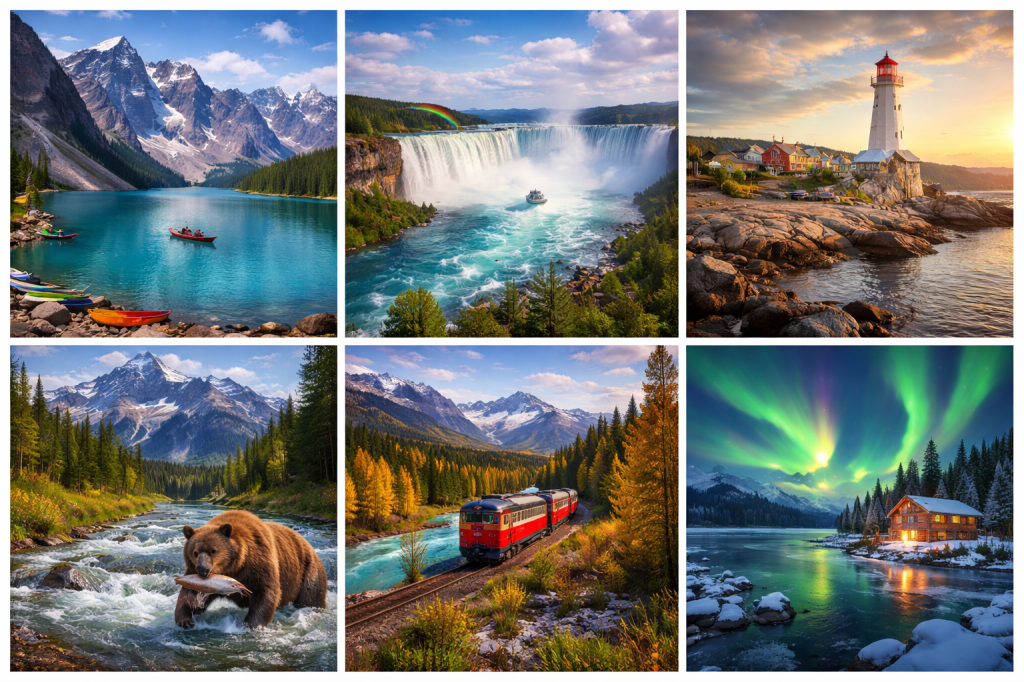
Canada is a vast and diverse country with landscapes ranging from rugged coastlines and dramatic mountain ranges to vibrant cities and serene lakes. Whether you’re chasing outdoor adventure, wildlife encounters, cultural experiences, or culinary delights, Canada has something for every traveler. Below are the top 10 best places to visit in Canada, each with a concise overview of what makes it special and what to see or do while you’re there.
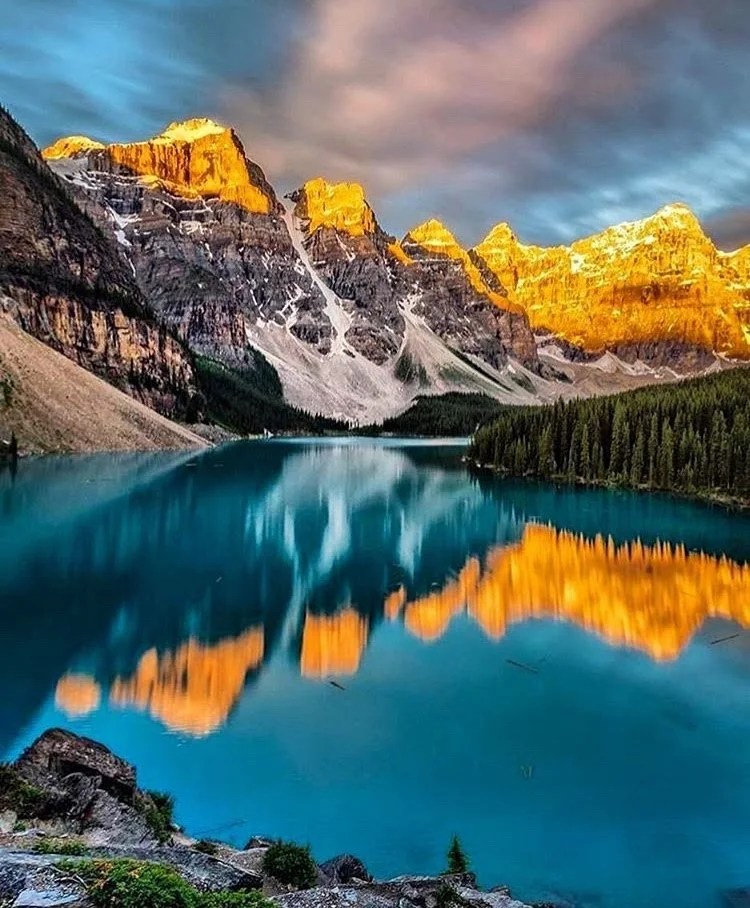
- Banff National Park, Alberta: Banff National Park, in the heart of the Canadian Rockies, is one of Canada’s most iconic natural destinations. Established in 1885, it offers towering peaks, turquoise glacial lakes, hot springs, and abundant wildlife. Highlights:
- Lake Louise and Moraine Lake: Famous for their vivid blue waters and postcard-perfect mountain backdrops; ideal for canoeing, photography, and scenic hikes.
- Banff Townsite: A charming mountain town with shops, restaurants, and the Banff Upper Hot Springs.
- Hiking and Backcountry: Trails range from easy lakeside walks to challenging alpine routes (Plain of Six Glaciers, Sulphur Mountain).
- Winter sports: World-class skiing and snowboarding at nearby resorts like Sunshine Village and Mt. Norquay. Practical tips: Stay in Banff or nearby Canmore for different budget options. Parks Canada passes are required. Summer is peak season; early autumn offers fewer crowds and vivid fall colors.
- Vancouver, British Columbia: Vancouver is a dynamic west-coast city framed by mountains and ocean. It blends urban sophistication with abundant outdoor recreation and a thriving food and arts scene. Highlights:
- Stanley Park: A massive urban park with seawall paths, beaches, and the Vancouver Aquarium.
- Granville Island: Public market, artisan shops, galleries, and waterfront dining.
- Gastown and False Creek: Historic district with trendy shops and waterside neighborhoods.
- Grouse Mountain and Capilano Suspension Bridge: Easy access to scenic viewpoints and rainforest walks.
- Food scene: Diverse cuisine with strong Asian influences; great seafood. Practical tips: Use public transit including SkyTrain and SeaBus. Spring and summer offer the best weather for outdoor activities; autumn and winter bring rain but fewer tourists.

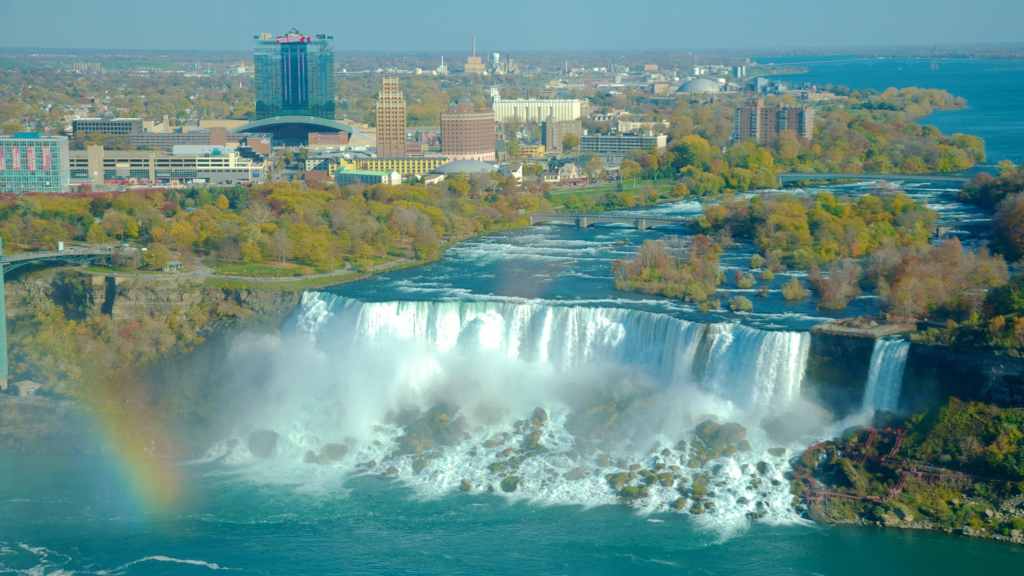
- Niagara Falls, Ontario: Niagara Falls is a world-famous natural spectacle on the border between Canada and the United States. The Canadian side offers sweeping panoramic views of the Horseshoe Falls. Highlights:
- Hornblower Niagara Cruises: Boat tours that take you close to the base of the falls.
- Journey Behind the Falls: Tunnels leading to observation portals behind the cascading water.
- Niagara Parks and Table Rock: Scenic walks, gardens, and viewpoints.
- Night illumination and seasonal fireworks: The falls are illuminated nightly; spectacular in summer and during special events.
- Wineries and Niagara-on-the-Lake: Nearby wine region known for ice wine and charming towns. Practical tips: Visit early morning or late evening to avoid crowds. Consider staying overnight in Niagara-on-the-Lake for a quieter, picturesque experience.
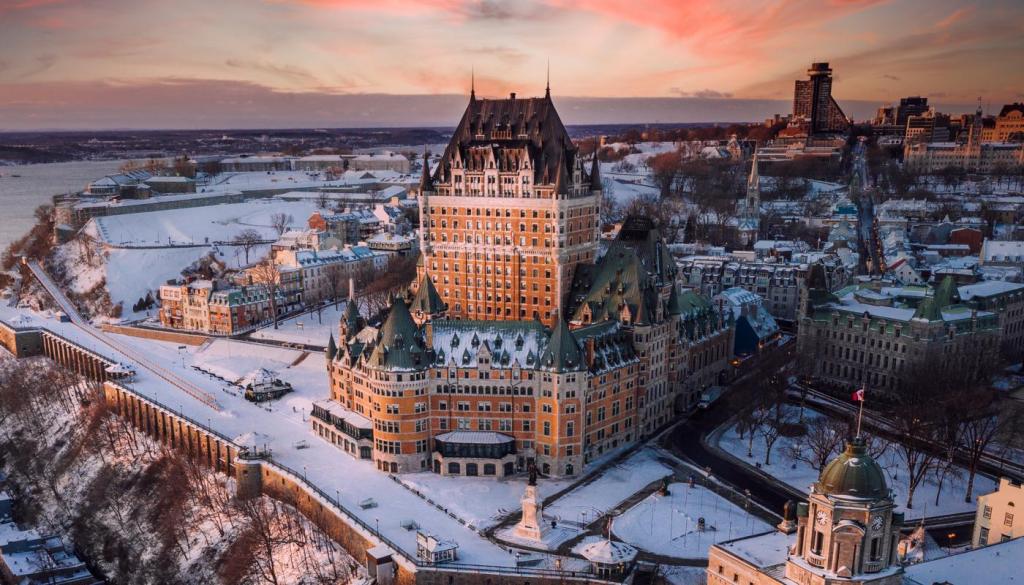
- Quebec City, Quebec: Quebec City is a distinctively European-feeling North American city, steeped in history, culture, and French heritage. Its fortified Old Town (Vieux-Québec) is a UNESCO World Heritage Site. Highlights:
- Old Quebec: Cobblestone streets, historic architecture, Place Royale, and Château Frontenac.
- Montmorency Falls: Higher than Niagara Falls, with cablecar, suspension bridge, and hiking.
- Winter Carnival: One of the world’s largest winter festivals with ice sculptures, parades, and events.
- Cuisine and cafés: Classic French-Canadian dishes and lively bistros.
- Plains of Abraham and Citadel: Historic battlefields and military sites with panoramic views. Practical tips: French is the primary language; many people are bilingual. Summer and winter each offer unique attractions—summer festivals and winter carnival/seasonal charm.
Advertisements
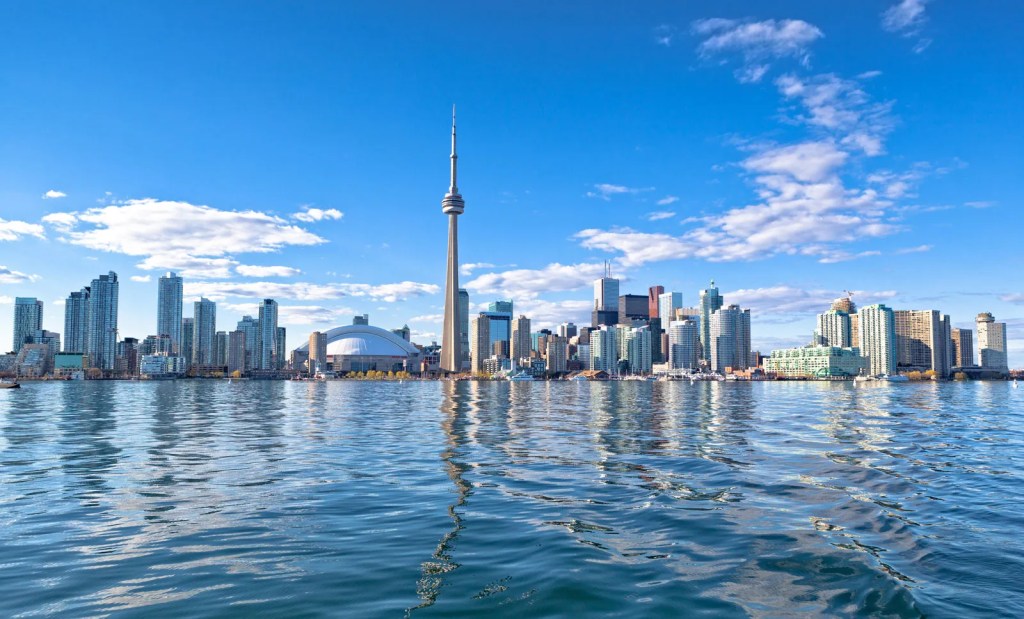
- Toronto, Ontario: Toronto is Canada’s largest city and a multicultural metropolis offering cultural institutions, vibrant neighborhoods, and easy access to attractions like Niagara and the Toronto Islands. Highlights:
- CN Tower: Iconic skyline landmark with observation decks and EdgeWalk adventure.
- Royal Ontario Museum and Art Gallery of Ontario: Significant cultural institutions.
- Distillery District: Historic cobblestone area with galleries, shops, and restaurants.
- Kensington Market and Chinatown: Eclectic neighborhoods with diverse food and shopping.
- Toronto Islands: Short ferry ride to a car-free, scenic parkland with beaches and bike paths. Practical tips: Public transit (TTC) is extensive; use it to avoid driving downtown. Festivals and sports events are frequent—check schedules for special events.
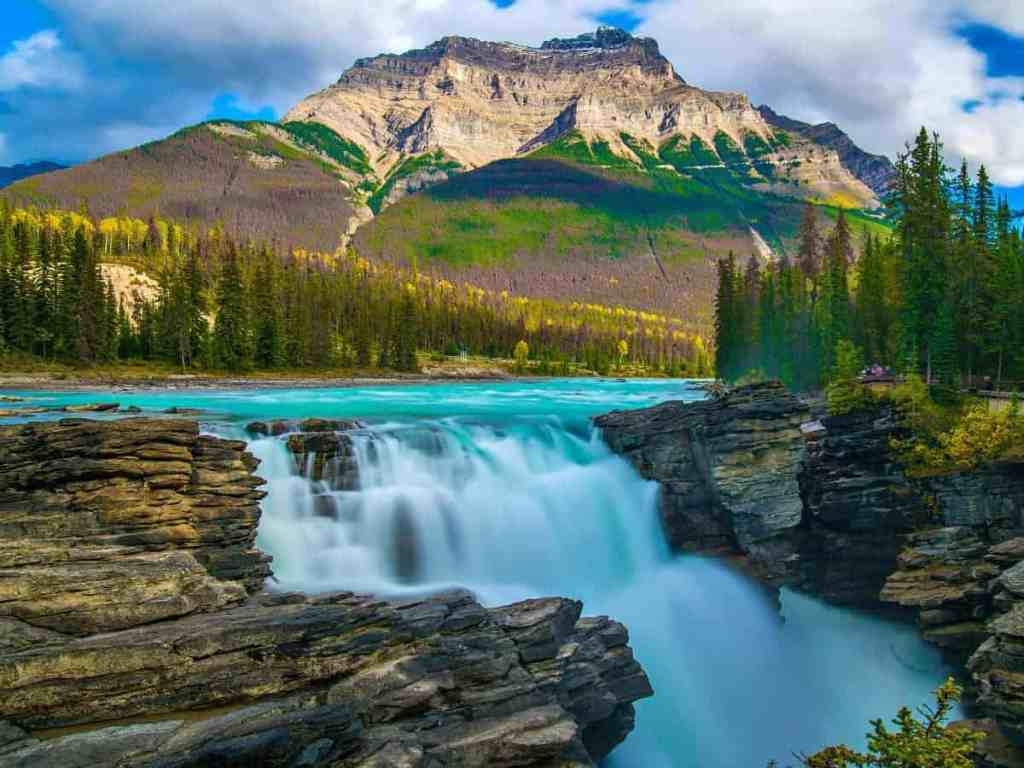
- Jasper National Park, Alberta: Jasper, north of Banff, is a sprawling and less-crowded national park with a more remote, wilderness-focused atmosphere. It’s ideal for stargazing, wildlife viewing, and expansive mountain scenery. Highlights:
- Maligne Lake and Spirit Island: Iconic boat cruises and photographic vistas.
- Columbia Icefield and Icefields Parkway: One of the world’s most scenic drives, with glacier viewpoints and tours onto Athabasca Glacier.
- Wildlife: Excellent opportunities to spot elk, moose, bears, and mountain goats.
- Dark Sky Preserve: Jasper is a designated Dark Sky Preserve—superb for stargazing and night photography.
- Hiking and backcountry: Abundant trails for all skill levels. Practical tips: The Icefields Parkway between Banff and Jasper is a must-drive; allow extra time for stops. Summer sees the highest visitor numbers; shoulder seasons offer quieter access.
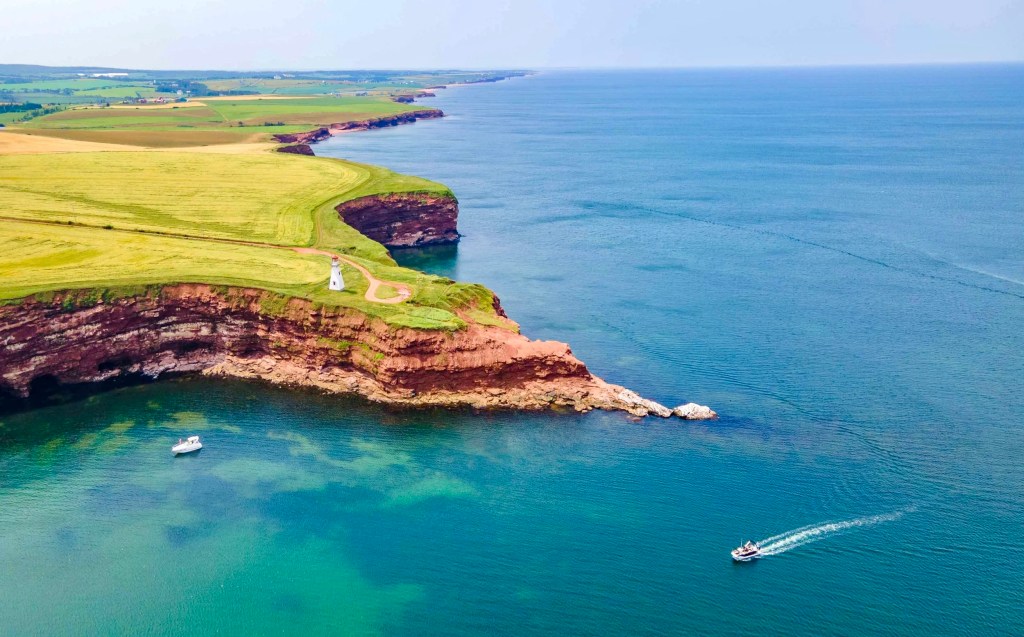
- Prince Edward Island: Prince Edward Island (PEI) is a pastoral, island province known for red-sand beaches, rolling farmland, seafood (especially oysters and lobster), and a strong literary connection to Lucy Maud Montgomery’s Anne of Green Gables. Highlights:
- Cavendish Beach and Green Gables: Anne-related attractions and scenic coastal shoreline.
- PEI National Park: Coastal trails, dunes, and biodiversity.
- Charlottetown: The province’s capital with historic architecture, theatres, and culinary experiences.
- Seafood and farmers’ markets: Fresh seafood, island potatoes, and regional cuisine.
- Cycling and scenic drives: Quiet country roads and coastal routes ideal for biking and leisurely exploration. Practical tips: Ferries connect PEI to mainland New Brunswick, or drive over the Confederation Bridge. Summer is peak season for beaches and festivals.
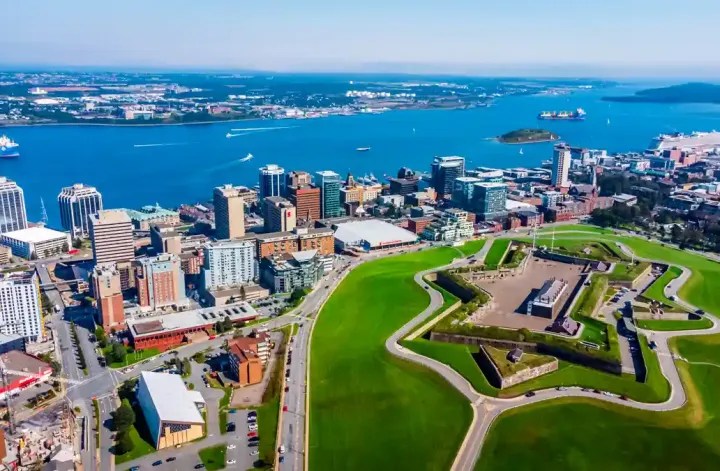
- Halifax and Nova Scotia’s Cabot Trail: Nova Scotia offers maritime charm, historic towns, and rugged coastal scenery. Halifax is the province’s cultural and economic core, while the Cabot Trail on Cape Breton Island is one of North America’s most scenic drives. Highlights:
- Halifax Waterfront and Citadel: Waterfront boardwalk, museums, and local dining.
- Peggy’s Cove: Iconic lighthouse and rocky coastline perfect for photography.
- Cabot Trail: Winding coastal route with dramatic ocean views, highland scenery, cultural Mi’kmaq and Celtic heritage, and hiking in Cape Breton Highlands National Park.
- Seafood and music: Fresh Atlantic seafood and strong live music traditions.
- Lunenburg: Colorful harbor town and UNESCO-listed Old Town known for its maritime history. Practical tips: Fall offers brilliant foliage along the Cabot Trail. Plan extra time for hiking and whale-watching excursions.
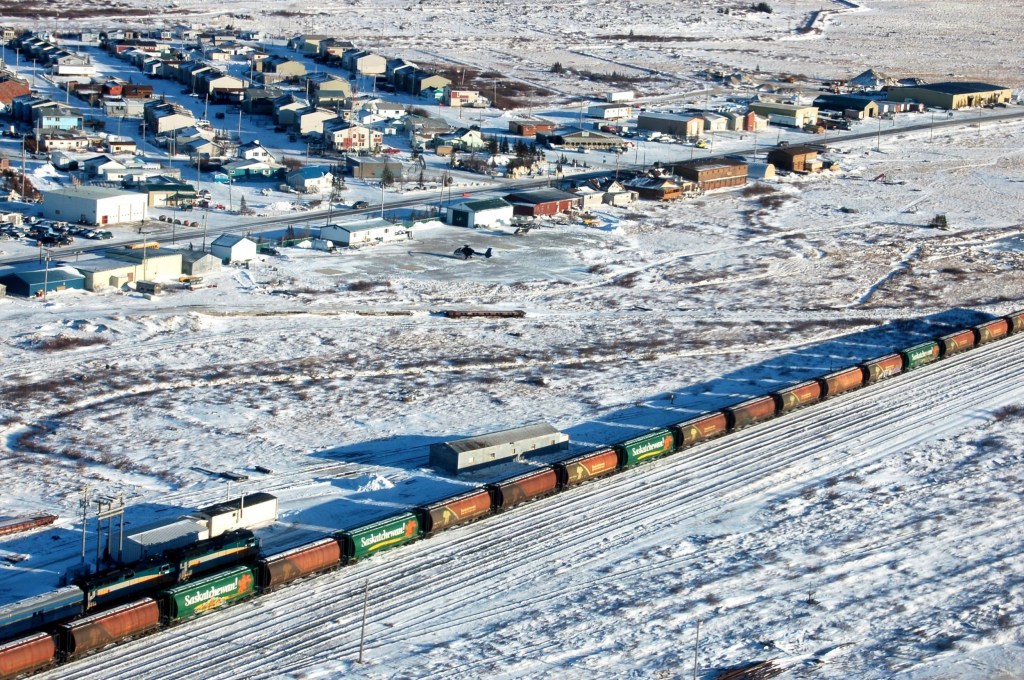
- Churchill, Manitoba: Churchill is a remote northern town on Hudson Bay known as the “Polar Bear Capital of the World” and a prime location for Arctic wildlife viewing and northern lights. Highlights:
- Polar bear tours: Tundra buggy tours in autumn bring travelers close to polar bears as they gather near the coast.
- Beluga whale watching: Summer brings thousands of beluga whales close to shore for kayaking or boat tours.
- Northern lights (aurora borealis): Strong seasonal displays from late autumn to spring.
- Indigenous culture: Opportunities to learn about Indigenous Arctic heritage and local history. Practical tips: Churchill is remote—access is typically by train or flight from Winnipeg. Tours are seasonal and often booked well in advance; specialized guides ensure safety around wildlife.
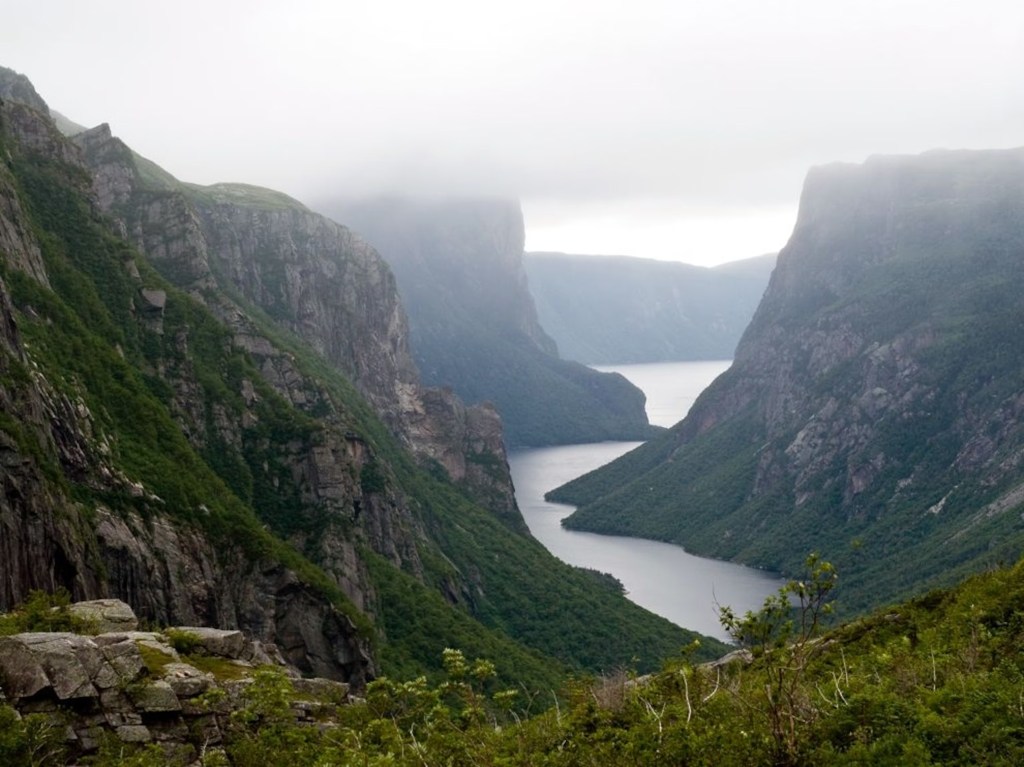
- Gros Morne National Park, Newfoundland and Labrador: Gros Morne is a dramatic and geologically significant national park on Newfoundland’s west coast, recognized as a UNESCO World Heritage Site for its exposed earth processes and towering fjords. Highlights:
- Western Brook Pond Fjord: Spectacular boat cruises through steep-sided fjords and waterfalls.
- Tablelands: Unique exposed mantle rock and rare plant communities—an extraordinary geological landscape.
- Coastal hiking and fishing villages: Charming communities, coastal trails, and cultural experiences with local cuisine and music.
- Whale watching and wildlife: Opportunities to see whales, seabirds, and moose. Practical tips: Summer is peak season with the warmest conditions for boat tours and hiking. Newfoundland’s weather can be changeable—pack layers and rain gear.
Practical travel tips for visiting Canada
- Seasons and timing: Canada’s sheer size means climate varies widely. Summer (June–August) is peak travel season with warm weather across most regions. Winter offers exceptional skiing, winter festivals, aurora viewing, and unique activities but requires proper gear and winter driving experience. Spring and autumn (shoulder seasons) offer fewer crowds and striking seasonal scenery.
- Travel documents and border crossing: U.S. and international visitors should verify entry requirements and visas well ahead of travel. Carry government-issued ID and any necessary permits when crossing provincial borders with firearms or certain foods.
- Wildlife safety: When visiting national parks and remote areas, follow guidelines for wildlife encounters (e.g., bear-safe storage, maintaining safe distances, and traveling with bear spray where recommended).
- Transportation: Canada’s vast distances mean domestic flights can be necessary to cover large regions quickly. Trains and scenic drives (like the Icefields Parkway and Cabot Trail) are highlights. Cities have reliable public transit; renting a car is often the best way to explore rural and coastal areas.
- Accommodation: From luxury lodges and boutique hotels to campgrounds and hostels, options vary by region and season—book in advance for national parks and peak travel times.
- Respect local culture and environment: Learn a few phrases if visiting predominantly French-speaking regions (like Quebec), and be mindful of Indigenous lands and cultural protocols. Leave no trace when hiking or camping.
Advertisements
Advertisements
 Exploring The Small Towns of Canada
Leave a comment