Point Pelee National Park (Ontario)
Point Pelee is often dubbed Canada’s premier bird-photography destination and ranks among the top birding spots in North America. The park’s peninsula juts out into Lake Erie, creating a “migrant trap” where birds—especially songbirds—congregate in huge numbers as they follow the shoreline during spring and fall migrations. Over 390 species have been recorded here, giving photographers an unparalleled diversity of subjects in a compact, scenic area.
Photo highlights: Capture colourful warblers, vireos and thrushes in forest edges and shrubs; waterbirds and shorebirds along the lake beaches; dramatic early morning flight shots at the Tip. Timing your visit with peak migration (especially mid-April to May) enhances
your chances of dramatic light and activity.
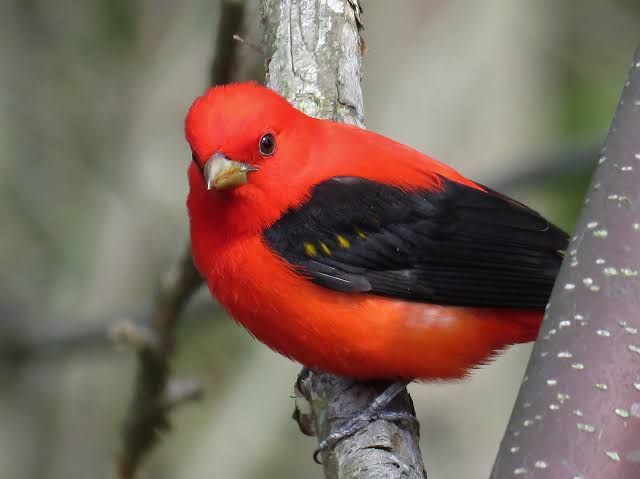
The Bay of Fundy & Grand Manan Island (New Brunswick/Nova Scotia)
This Atlantic marsh and coastal region, including Grand Manan Island, is a shorebird magnet and migratory powerhouse thanks to massive tidal flats and rich oceanic food. High tides compress huge numbers of birds into photographable zones, and offshore pelagic trips can reveal seabirds rarely seen inland.
Photo highlights: Tens of thousands of Semipalmated Sandpipers lining up on mudflats; shorebirds like plovers and willets against dramatic water reflections; offshore shots of phalaropes and storm-petrels under changing skies. The rocky Atlantic backdrop and tidal dynamics make for high-impact landscape + bird images.
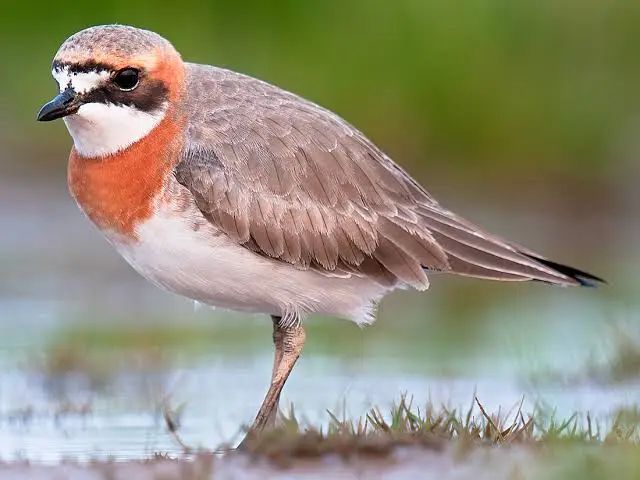
Esquimalt Lagoon Migratory Bird Sanctuary (British Columbia)
A classic Pacific flyway stopover site near Victoria, this tidal lagoon is a dynamic mix of shorebirds, waterfowl and migrating passerines. With shallow flats, reeds and open water, it’s one of the most accessible bird photography sites in coastal BC. Waders and ducks feed along the mud and tidal channels, and the lagoon’s changing water levels can produce dramatic mirrored scenes.
Photo highlights: Crisp images of herons stalking shallow edges, flybys of brant and teal, and the brilliant colours of migrating warblers in nearby vegetation. Dawn and dusk often offer the best light and bird activity.
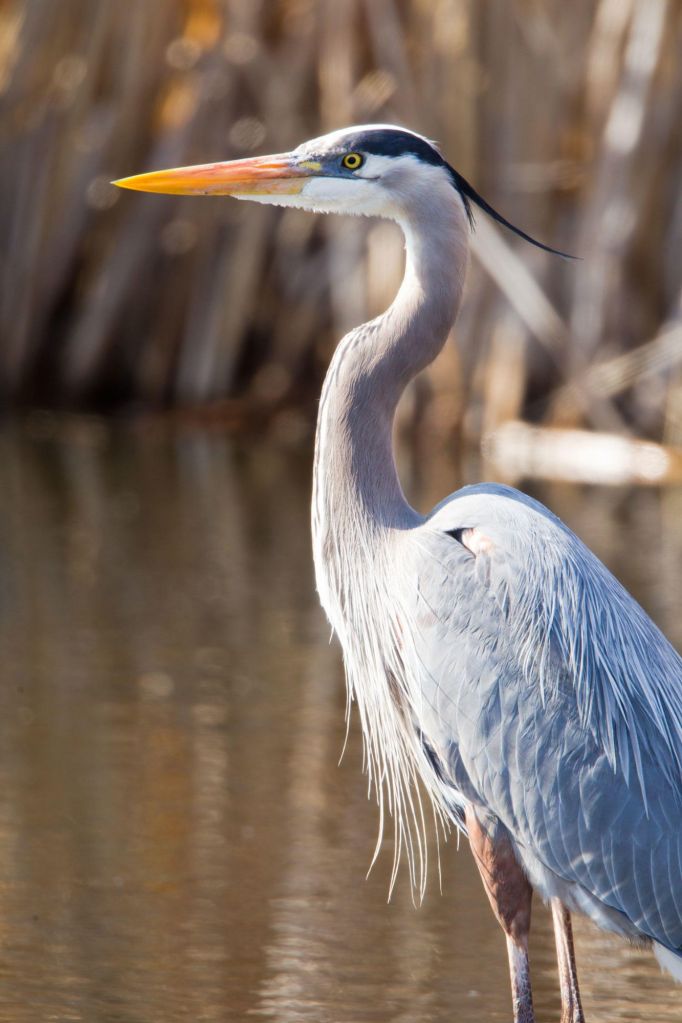
Victoria Harbour Migratory Bird Sanctuary (British Columbia)
Stretching along Victoria’s coastline, this sanctuary supports ~270 bird species including seabirds, shorebirds and waterfowl. Its mix of estuaries, docks and coastal waters make it especially productive in winter and during migrations. The proximity to urban areas also means easier logistics for photographers.
Photo highlights: Seabirds resting on pilings, shorebirds feeding in tidal flats, and ducks in flight at sunset; cityscape + bird shots are also uniquely possible here.
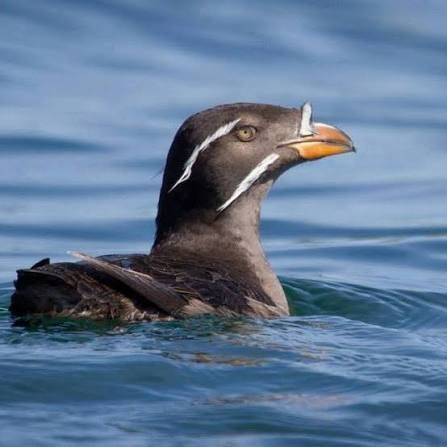
Witless Bay Ecological Reserve (Newfoundland & Labrador)
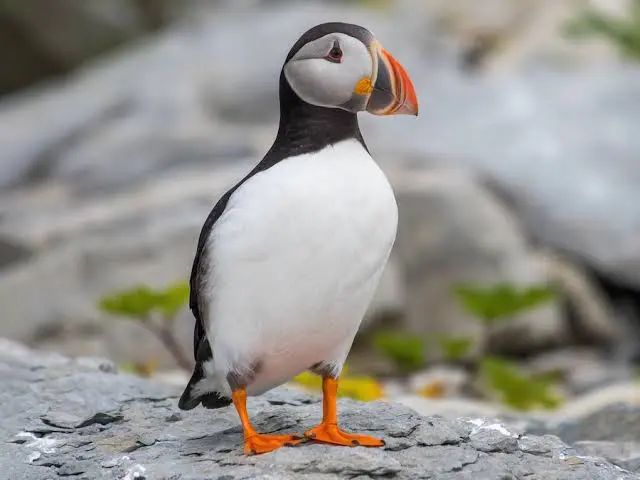
Part of one of North America’s richest seabird colonies, Witless Bay (including Pee Pee Island) is spectacular for Atlantic Puffin and murre photography. Its offshore islands are easily visible from shore, making pelagic-style bird photography accessible without a long boat trip.
Photo highlights: Close encounters with colourful puffins returning to nests, dense murre colonies on sea cliffs, and rugged ocean backdrops—perfect for dramatic seabird portraits
Southern James Bay & Boatswain Bay MBS (Ontario/Quebec/Nunavut)
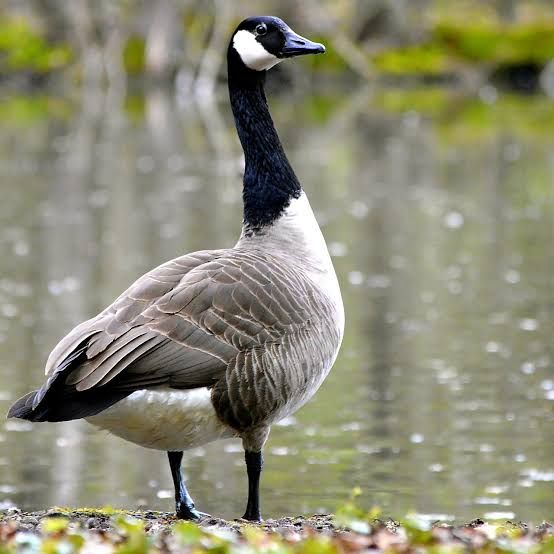
This vast coastal wetland complex is world-renowned as a staging area for migratory waterbirds—notably large flocks of geese, swans, and ducks in autumn. Expansive shallow waters and mud flats create opportunities for sweeping flight shots and large flock dynamics.
Photo highlights: Huge flocks of geese swirling at dawn; waterfowl reflections at low water; and seasonal shorebird choreography against dramatic marsh backgrounds.
 Exploring The Small Towns of Canada
Leave a comment